How companies become NIS 2 compliant: A guide for practitioners
The European Union’s new NIS 2 Directive fundamentally changes the requirements for cyber security and risk management. Companies covered by the directive must not only implement technical and organizational measures, but also maintain comprehensive documentation. The aim is to increase the resilience of critical and important facilities to cyber threats. In this article, you will learn how to achieve NIS 2 compliance and what steps are necessary to do so.
Why NIS 2 is important
The NIS 2 Directive extends the scope of the previous NIS Directive and now affects significantly more companies, including medium-sized companies in critical sectors such as energy, transportation, health, digital infrastructure and many others. Violations of the directive can lead to significant fines. It is therefore crucial to take action at an early stage.
Step 1: Gap analysis and risk assessment
The first step towards NIS 2 compliance is a comprehensive gap analysis. This involves comparing the company’s current security situation with the requirements of the directive. This analysis uncovers weaknesses and shows where action is required. In addition, a risk assessment is required to systematically identify threats and plan suitable countermeasures. A proven approach is the introduction of an information security management system (ISMS), for example in accordance with ISO 27001, which should be expanded to include NIS 2-specific requirements such as supply chain risks and reporting obligations.
Step 2: Implementation of technical and organizational measures
The directive requires a series of core measures that companies must implement:
- Risk management: Regular assessments and documented risk mitigation measures.
- Incident response: Processes for detecting, handling and reporting security incidents. In Germany, incidents must be reported to the Federal Office for Information Security (BSI) within 24 hours.
- Business continuity and crisis management: Emergency plans, backup strategies and restart plans must be in place and tested.
- Supply chain and third-party security: Risk analyses for external partners, security requirements in contracts and regular checks are mandatory.
- Access control and encryption: Role-based access rights and encryption of sensitive data are essential.
- Vulnerability and patch management: Continuous monitoring and prompt updates are required to close known security gaps.
Step 3: Auditable documentation
Documentation is a central component of NIS 2 compliance. Authorities expect clear evidence of the measures implemented. This includes
- Security guidelines and governance structures
- Risk and action plans
- Logs of security incidents and their reporting
- Supplier evaluations and proof of training
Complete documentation not only makes it easier to provide evidence to the authorities, but also facilitates internal audits and external inspections.
Step 4: Governance and stakeholder involvement
NIS 2 is not just an IT issue. Implementation affects the entire company and requires the involvement of management, compliance and the legal department. Responsibilities must be clearly defined and anchored at board level. This is the only way to ensure that the requirements are not met in isolation, but as a whole.
Step 5: Carrying out audits
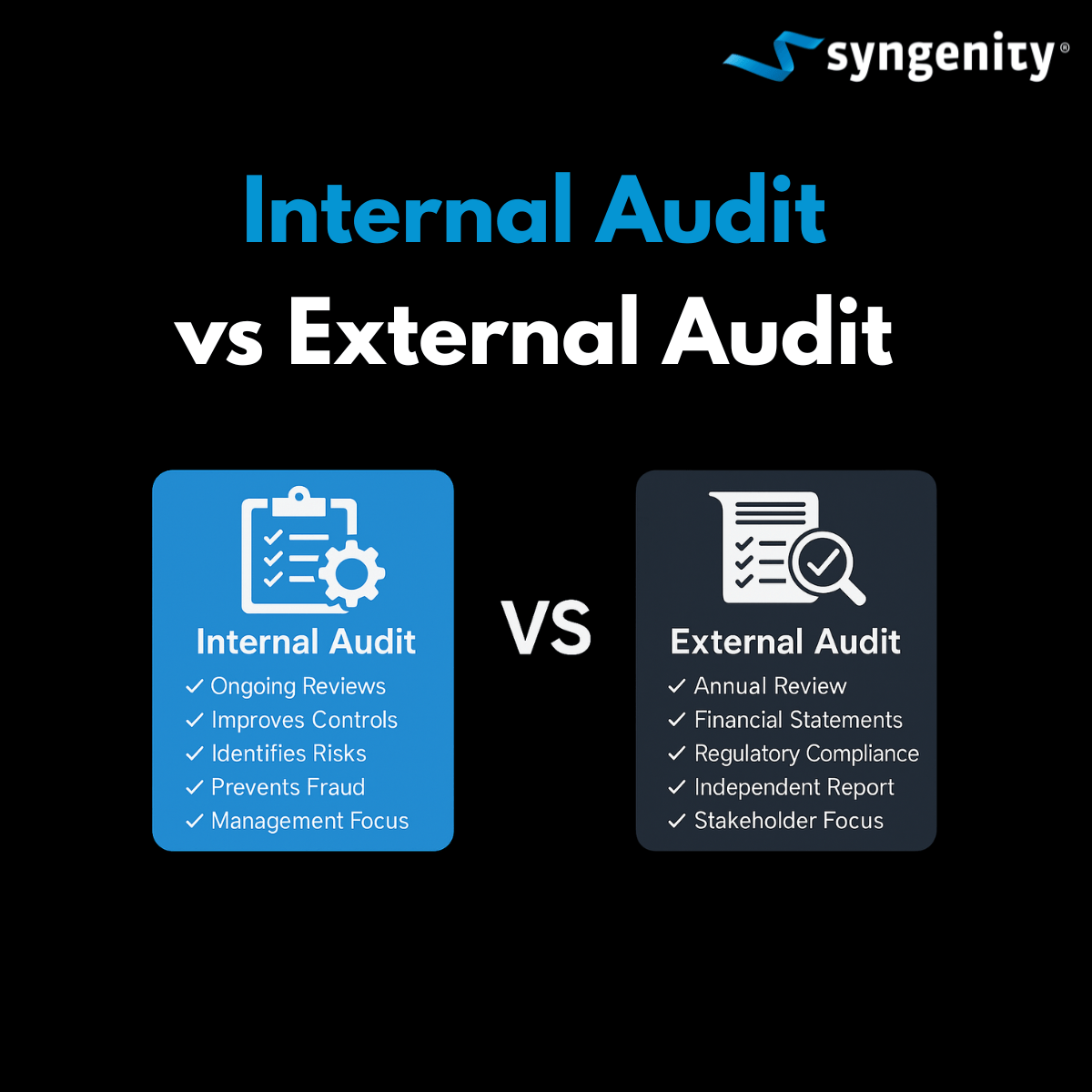
Audits are an effective tool for checking compliance with the directive. Internal audits help to identify weaknesses at an early stage, while external audits create trust with partners, customers and authorities. Even if there is currently no official EU-wide certificate, audits can serve as proof that a company meets the requirements.
Step 6: Continuous monitoring and improvement
Compliance is not a one-off project, but an ongoing process. Companies must regularly review and update their security measures and adapt them to new threats. This includes re-audits, updating documentation and training employees.
Step 7: Use of frameworks and tools
ISO 27001 provides a solid foundation for information security, but does not cover all NIS 2 requirements. In addition, companies should consider governance aspects, supply chain management and reporting obligations. The use of compliance tools and templates can make implementation much easier. Automated workflows and document management systems ensure efficiency and transparency.
Conclusion
The NIS 2 Directive presents companies with new challenges, but also offers them the opportunity to strengthen their own security strategy. Those who act early reduce risks and avoid fines. A structured approach – from gap analysis and the implementation of technical and organizational measures through to continuous improvement – is the key to success.
Syngenity® supports you in identifying your NIS 2 obligations, implementing suitable measures and optimally preparing for audits. Take advantage of our expertise to make your compliance sustainable and traceable.
Further information and the possibility to register can be found on the official website of the BSI: https://www.bsi.bund.de/DE/Themen/Regulierte-Wirtschaft/NIS-2-regulierte-Unternehmen/nis-2-regulierte-unternehmen_node.html